

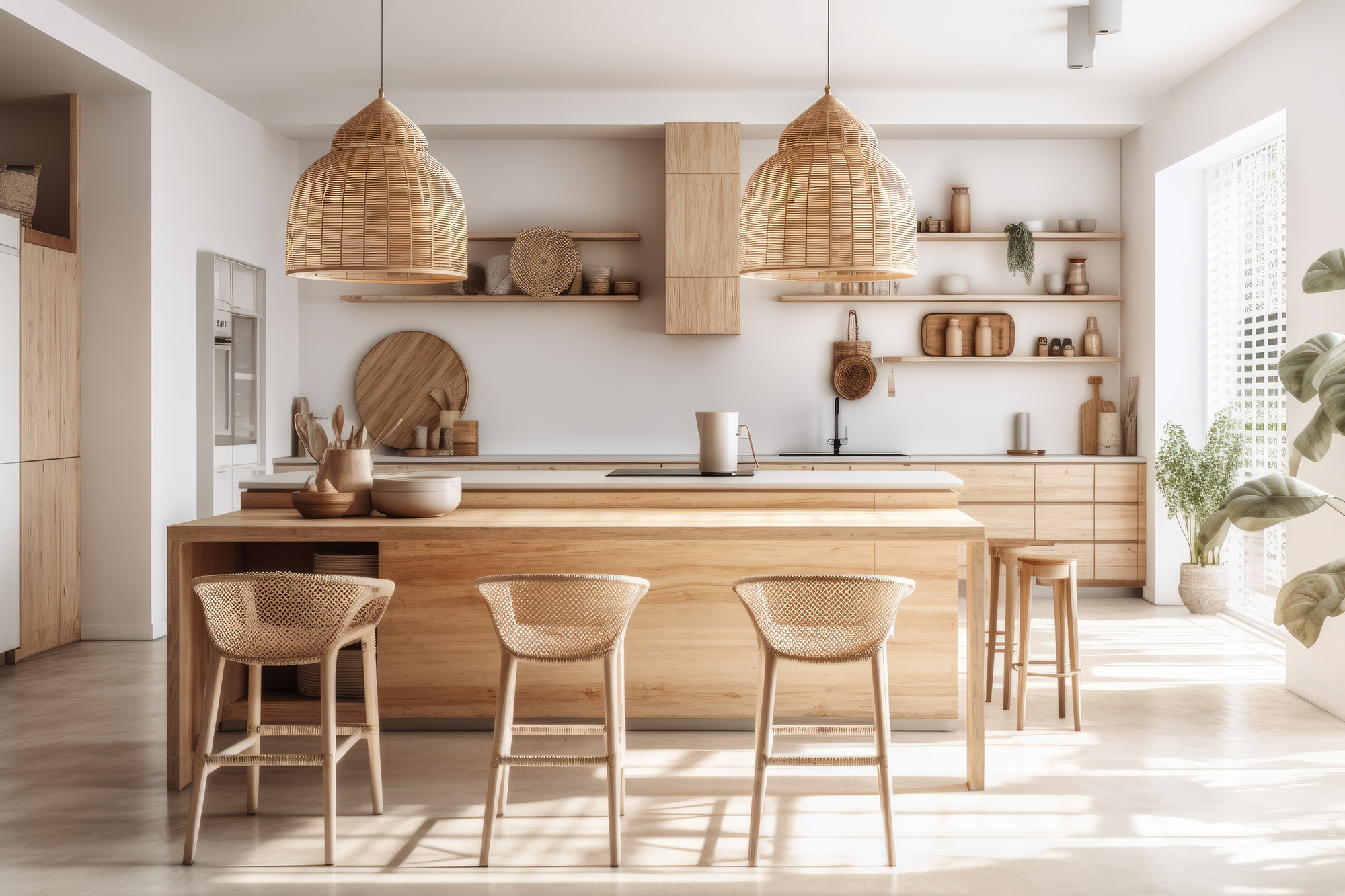
When walking into a freshly remodeled kitchen, new cabinets look beautiful from the outside. However, cabinets are the literal workhorses of your kitchen, holding hundreds of pounds of cookware and enduring thousands of opens and closes over their lifespan. True quality isn't just skin deep—it relies entirely on structural engineering and premium materials.
At Galaxie Floor Stores, we believe in educating our clients so they can make smart investments. Whether you are looking at respected, regional brands like Koch Cabinets or exploring custom configurations, understanding the anatomy of a premium cabinet ensures you won't be facing sagging shelves, warped doors, or broken drawers just a few years down the road.
1. The Drawer Box: Look for the Dovetail Joint
The drawer box experiences the highest physical stress of any element in your cabinetry. Inferior, low-budget cabinets utilize stapled particleboard or butt-jointed drawers that pull apart under the weight of heavy silverware and kitchen tools.
High-quality cabinetry features solid wood drawer boxes with dovetail joints. A dovetail joint uses interlocking wooden teeth that mechanically lock together, providing incredible structural integrity. When a drawer is constructed with solid wood sides and a thick, fully captured plywood bottom, it is built to hold substantial weight without bowing or separating.
2. Cabinet Box Materials: Plywood vs. MDF vs. Particleboard
The cabinet box or carcass provides the foundational framework. The industry relies on three main core materials, each serving a distinct purpose:
Plywood: The premium standard for cabinet boxes. Plywood is constructed by gluing alternating layers of wood grain, making it exceptionally strong, highly resistant to moisture, and excellent at holding screws and mechanical fasteners firmly in place over time.
MDF (Medium-Density Fiberboard): An engineered wood product made from compressed wood fibers and resin. Because MDF is incredibly stable and does not expand or contract with temperature fluctuations, it is actually the superior choice for painted cabinet doors, preventing the hairline paint cracks that naturally occur on solid wood joints.
Particleboard / Furniture Board: Found in budget-tier cabinetry. While cost-effective, it is heavy, prone to sagging over long spans, and highly susceptible to swelling and degrading if a plumbing leak occurs under your kitchen sink.
3. Hardware: Soft-Close, Heavy-Duty Undermount Glides
The operational feel of a kitchen is governed completely by its moving parts. Premium cabinets utilize high-end hardware, such as soft-close concealed hinges and undermount drawer glides. Brands like Koch Cabinets integrate these features seamlessly. Undermount drawer glides support the drawer from beneath, hiding the mechanical tracking while allowing the drawer to extend fully out of the cabinet frame (full-extension). The soft-close mechanism prevents slammed doors, dampens noise, and extends the structural life of the cabinet joints by eliminating daily impact stress.
4. Face Frames and Finishing Touches
A solid wood face frame provides rigid squareness to the cabinet front, ensuring doors align perfectly. Furthermore, high-quality finishes require a meticulous multi-step baking and curing process. Cheaper cabinets use thin laminate wraps or single-coat spray paint that easily chips and scratches. Premium cabinet manufacturers apply professional stains, sealers, and topcoats in dust-free, controlled factory environments, ensuring resistance to moisture, oils, and household cleaners.
Don't gamble on the foundational backbone of your kitchen refresh. Stop by Galaxie Floor Stores in Bloomington or Apple Valley to open, close, and feel the structural integrity of our Koch Cabinets displays for yourself. Talk to our local design specialists today to begin drafting your dream layout!